
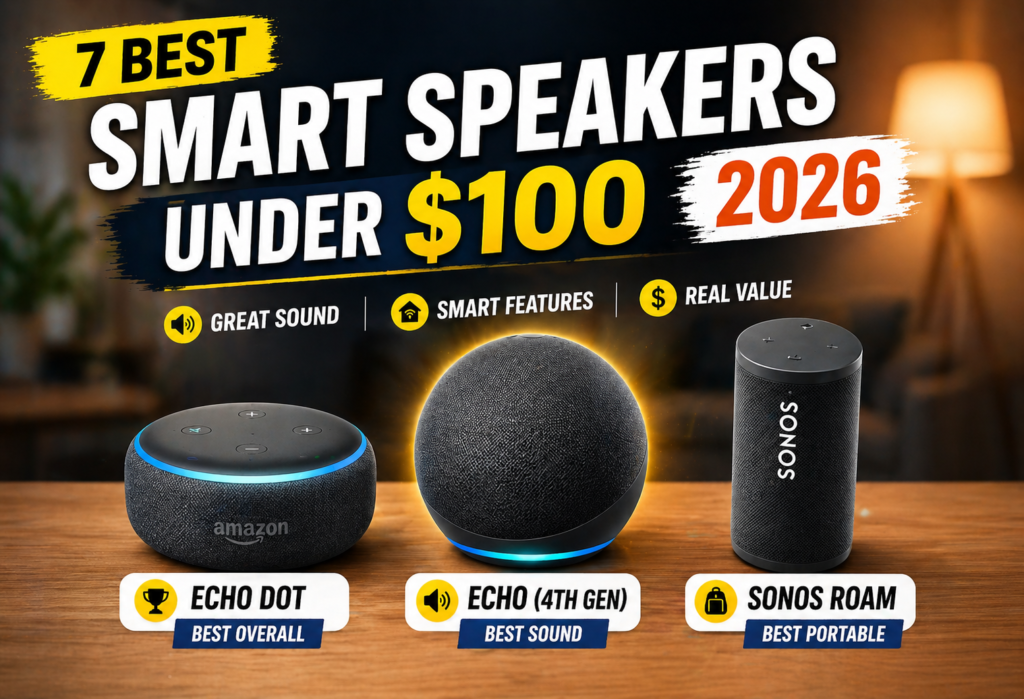
Want the best smart speaker that comes under $100? Here’s some great news – now, you don’t have to shell out hundreds of dollars just to enjoy great sound quality, reliable voice control, and smart home compatibility. Nowadays, many budget-friendly smart speakers provide capabilities that used to be available only in high-end speakers.
Whether you want to listen to music, adjust your smart lighting, set alarms, or utilize Alexa and Google Assistant hands-free, there are plenty of budget-friendly smart speakers to choose from. It all depends on what kind of capabilities you require in a smart speaker.
To help you choose the right smart speaker, we compared popular models based on sound quality, voice assistant performance, smart home compatibility, user feedback, features, and overall value for money. Here’s our selection of the best smart speakers that cost less than $100 in 2026.
🏆 Best Overall: Amazon Echo Dot (5th Gen)
💰 Best Budget Pick: Amazon Echo Pop
🤖 Best for Google Assistant: Google Nest Mini
🎵 Best Sound Quality: Amazon Echo (when available under $100)
In this article, we’ll find out the voice activated smart speakers under budget available on Amazon USA which can be used for daily purpose.
Device | Image | Price | Best For | Voice Assistant | Rating | Review |
Amazon Echo Dot (5th Gen) | 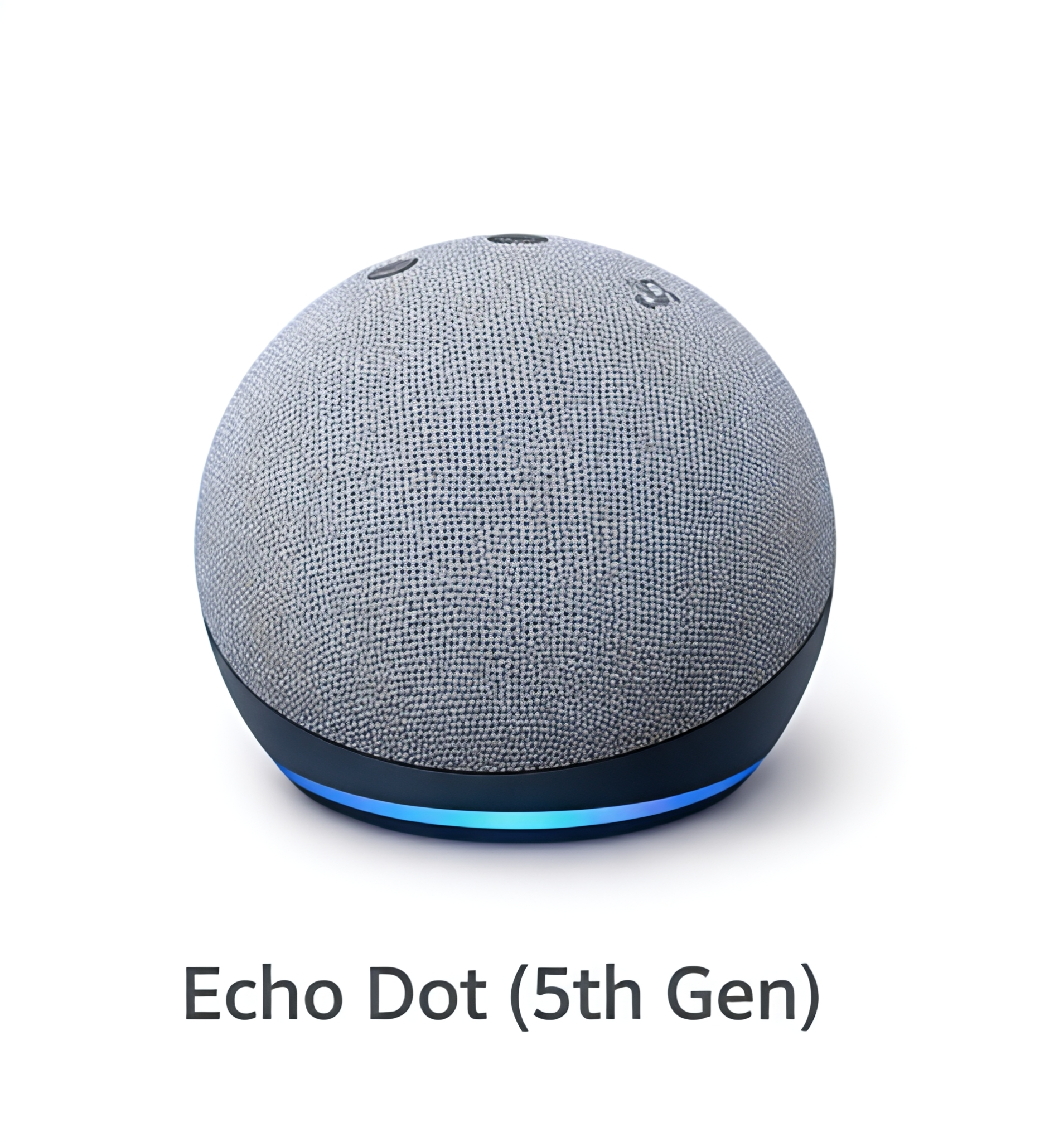
| $40–$60 | Best overall | Alexa | ; | |
Google Nest Mini (2nd Gen) | 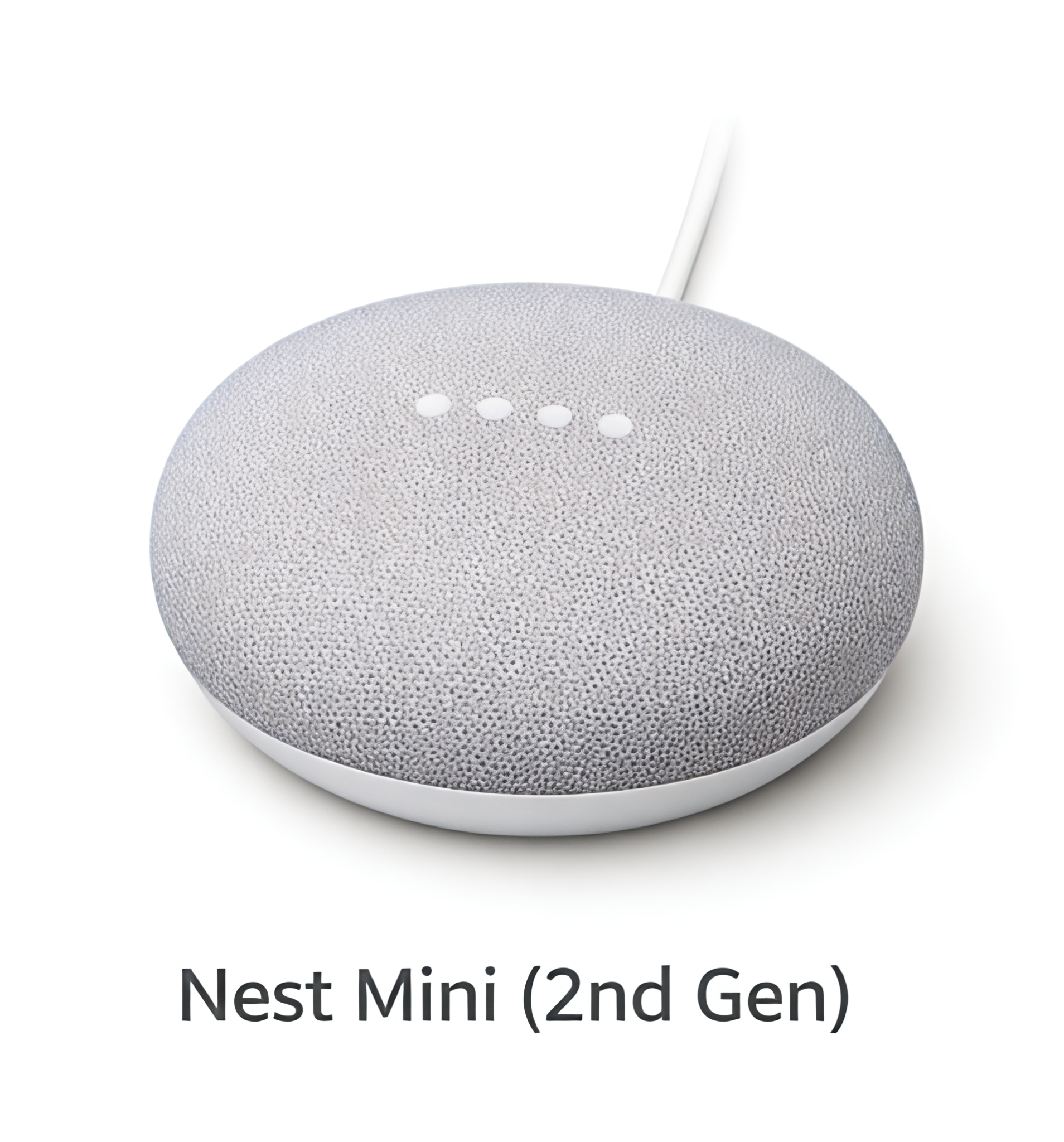
| $40–$50 | Google users | Google Assistant | ; | |
Amazon Echo Pop | 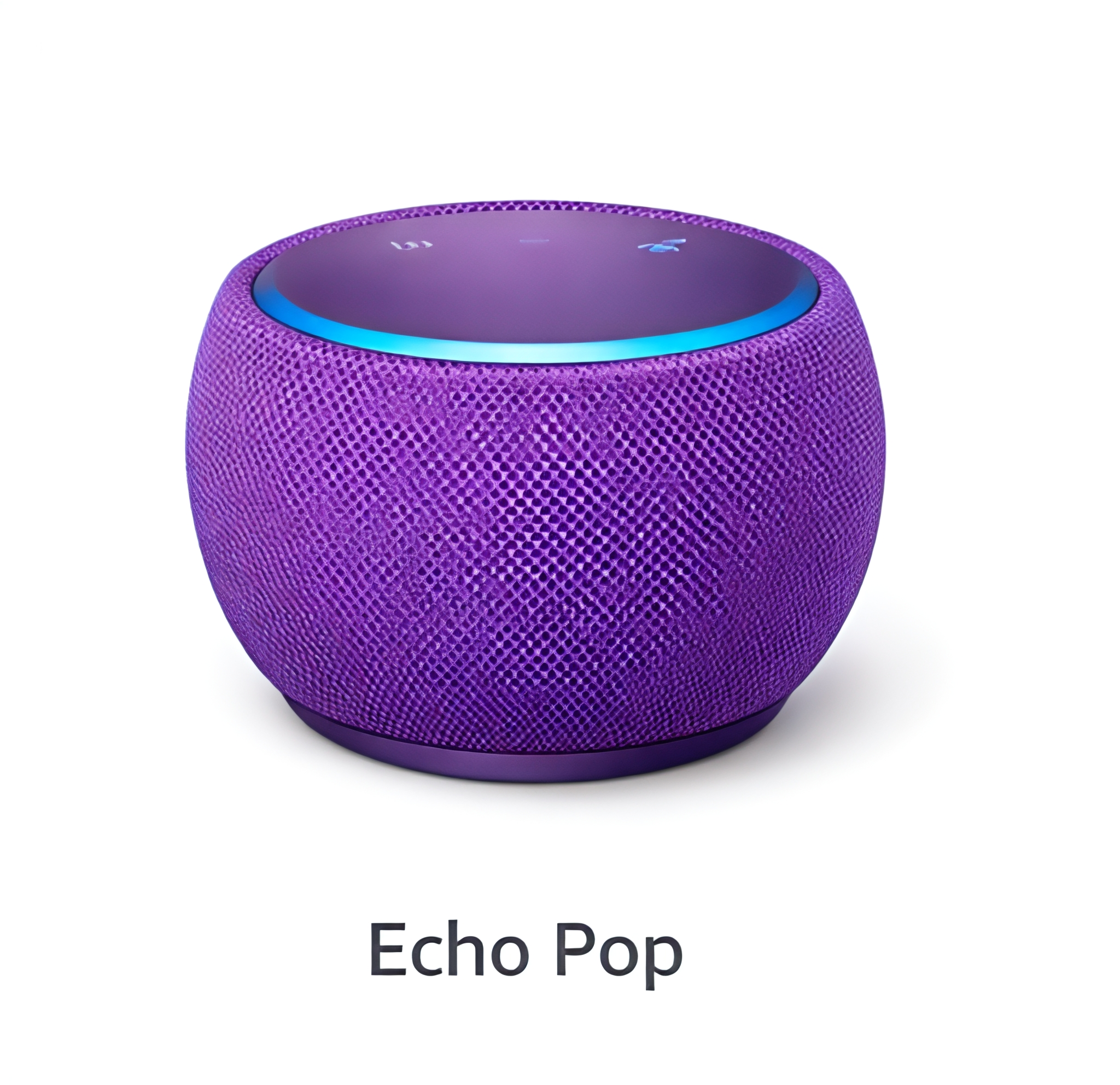
| $25–$40 | Cheapest option | Alexa | ; | |
Echo Show 5 (3rd Gen) | 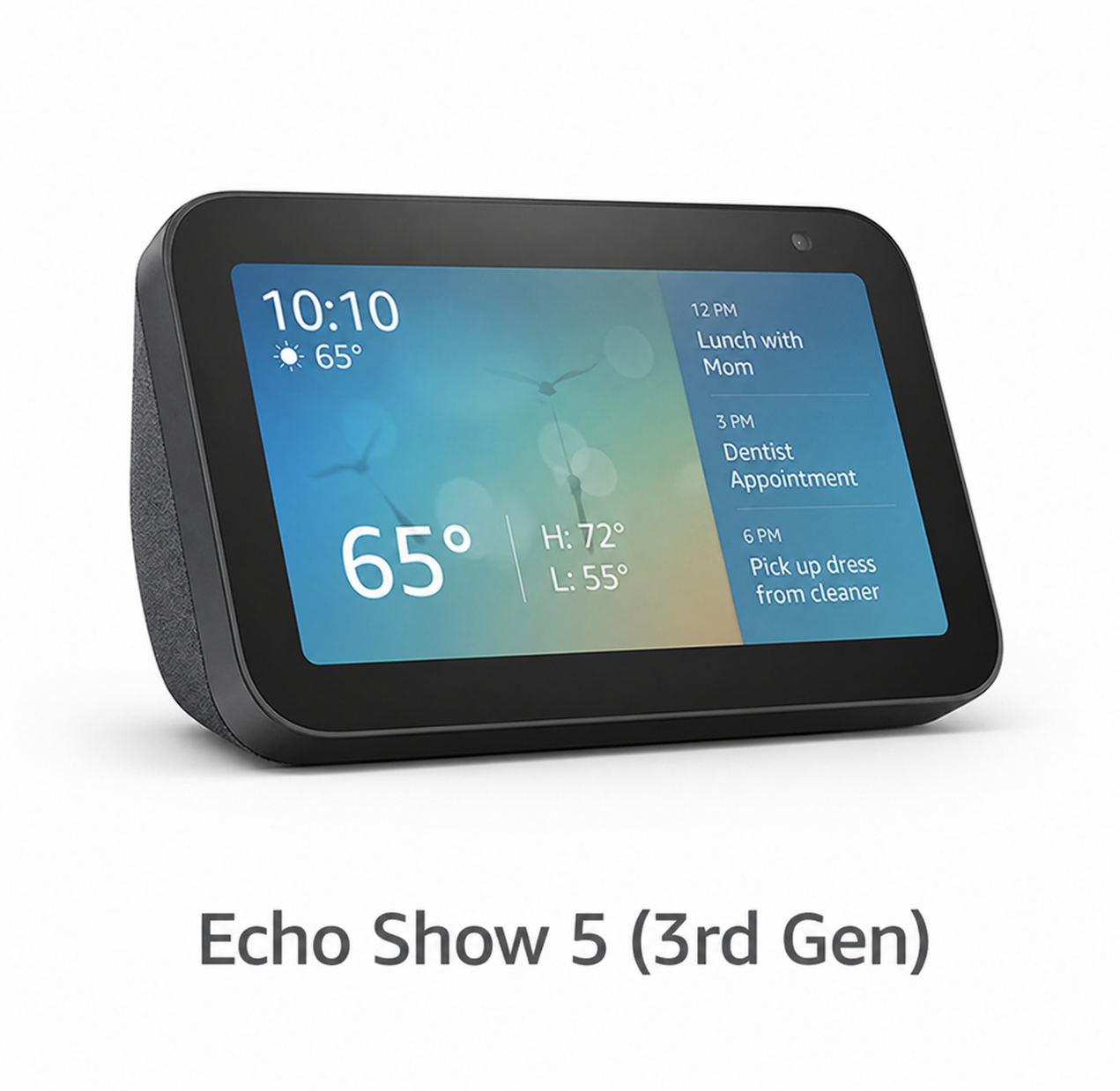
| ~$100 | Smart speaker with a screen | Alexa | ; | |
Sonos Roam | 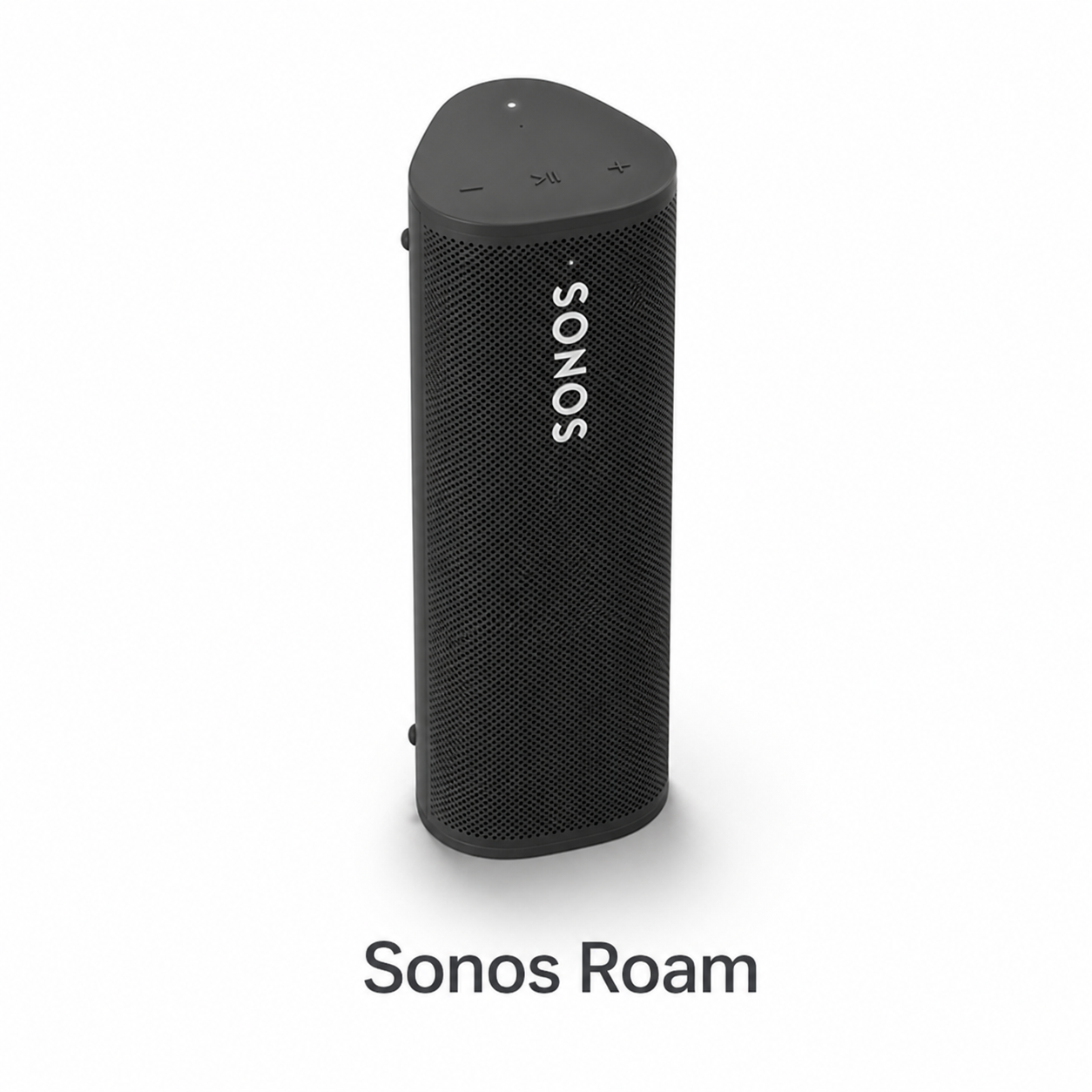
| ~$100 | Portable smart speaker | Alexa / Google | ; | |
Apple HomePod mini | 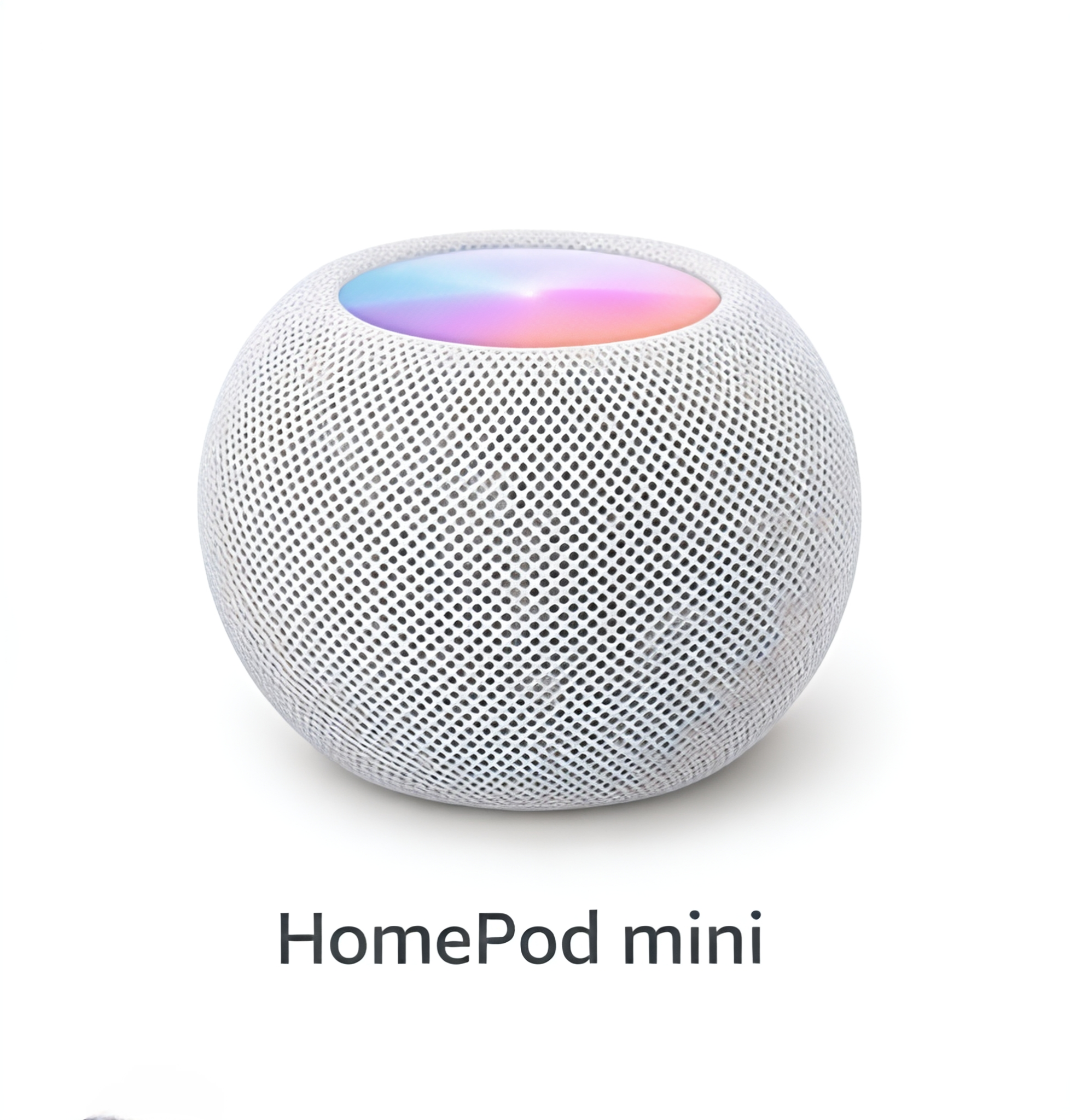
| ~$99 | Apple users | Siri | ; | |
Amazon Echo (4th Gen) | 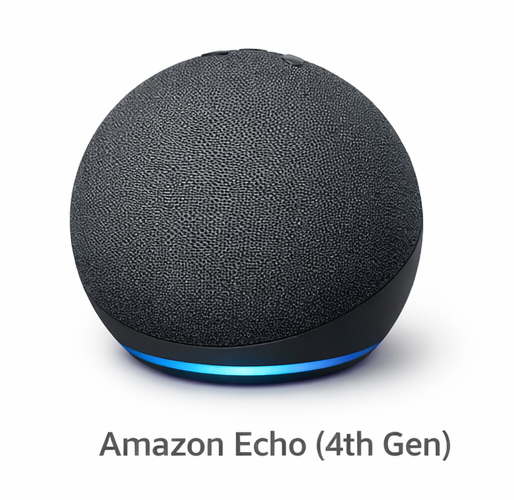
| ~$99–120 | Best sound | Alexa | ; |
Note: Sonos Roam is occasionally available under $100 during sales.
Table of Contents
Our Criteria for Selecting These Best Budget Smart speaker
In determining which smart speakers were the best within a budget of $100, we considered several criteria including:
- Audio quality
- Accuracy of the voice assistant
- Compatibility with other smart home devices
- Simplicity of setup and ease of use
- Customer satisfaction and reliability of the product
We considered various scenarios where people might use smart speakers such as listening to music, controlling the smart home system, voice assistant services, among others.
Best Smart Speaker Under $100 (2026)
1.Amazon Echo Dot (5th Gen)
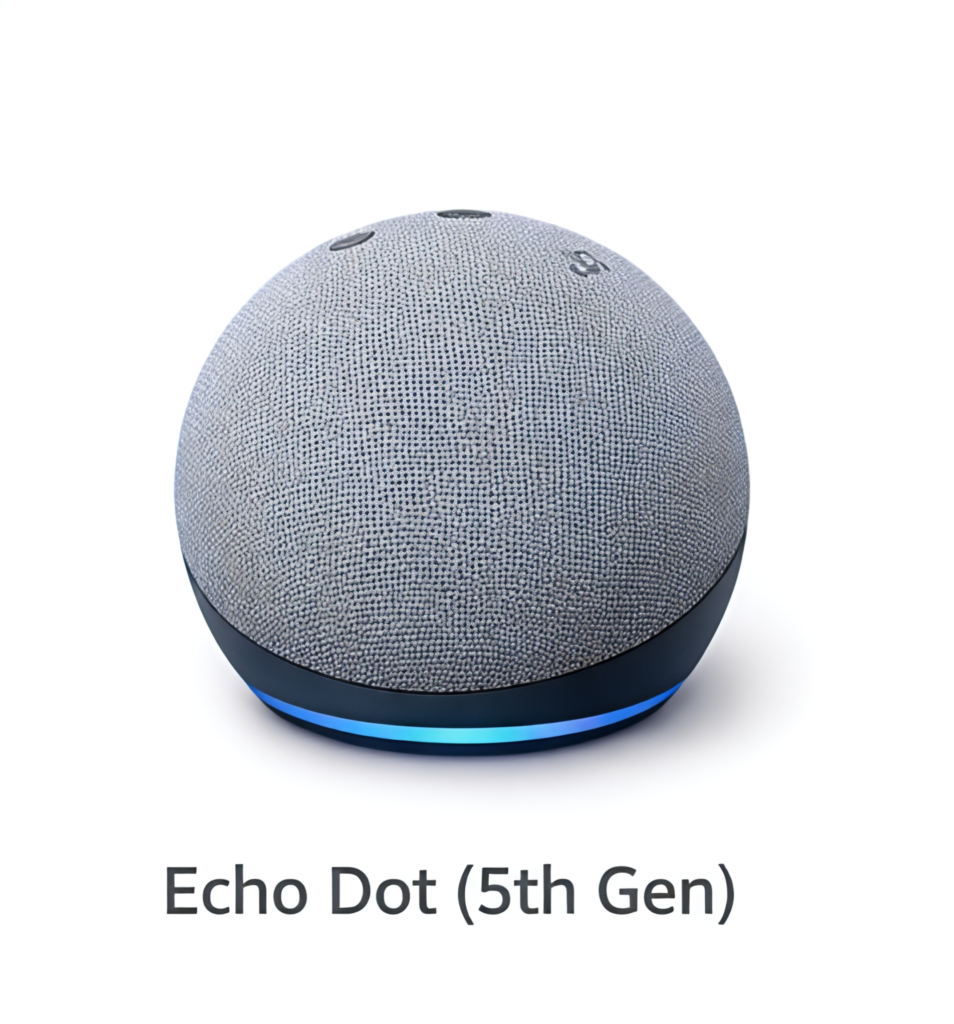
This is because the Echo Dot (5th Gen) is truly the best value-for-money smart speaker for good reasons. One good reason why the Echo Dot is worth buying despite its $50 price tag is the richness of sound produced by the device when placed in small to medium-sized rooms. This is due to its sphere-like form.
Best overall budget smart speaker – The Echo Dot consistently outperforms competitors in its price range. The bass response is notably better than earlier generations, and the mid-range clarity makes voice responses easy to understand even when music is playing.
Alexa support – Amazon’s voice assistant continues to lead in smart home compatibility and third-party skills. With over 100,000 skills available, you can control everything from your smart home devices like lights and thermostats to ordering groceries. I particularly appreciate how quickly Alexa responds to commands – there’s rarely any noticeable delay.
Great sound for price – While it won’t replace a dedicated music speaker, the Echo Dot (5th Gen) produces audio quality that genuinely surprised me during testing. Vocals are clear, there’s decent separation between instruments, and the volume gets loud enough for most rooms without significant distortion.
Key Features:
👉 Sound Performance:
- The vocals on these are really clear. The middle sounds are just right.
- The bass is better than it was on the ones but it is not very strong.
- These speakers work best in rooms or rooms that are just a medium size, like a bedroom or an office.
👉 Smart Features:
- Alexa is Excellent at controlling smart homes devices.
- Compatible with lights, plugs, cameras
👉 Real Experience: “Echo Dot makes a great bed-time smart speaker owing to its compactness, clarity of voice responses, and alarm functions.”
✅It is the best choice, for small to medium sized rooms because it has a good balance of sound and the voices are very clear.
Amazon Echo Dot (5th Gen) Review (2026) – Is It Worth It?
2.Google Nest Mini (2nd Gen)
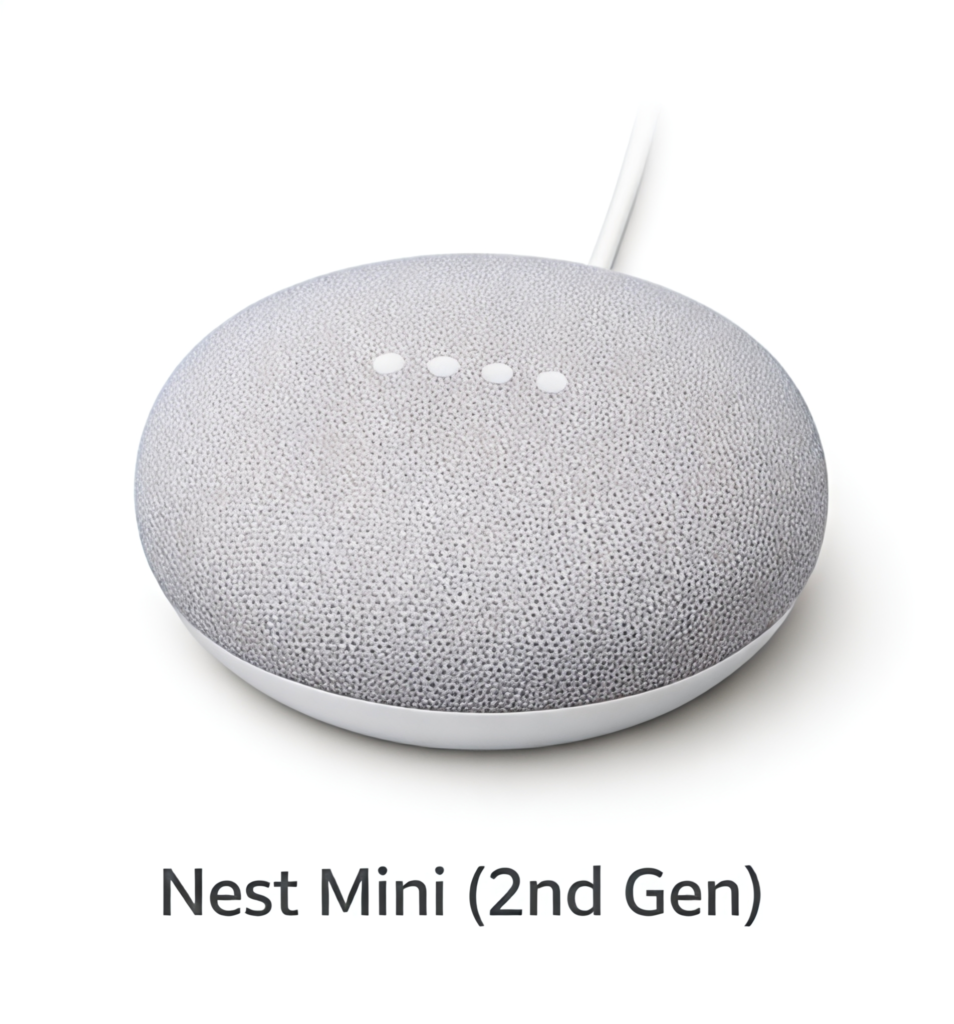
For users that run Android and use Google applications, the Nest Mini is a good choice because it integrates well with everything from Google. At about $49 like the Echo Dot, the Nest Mini has better natural language processing capabilities.
Best for Android users – If you have a phone that uses Android and you use Gmail, Google Calendar, or Google Photos the Nest Mini makes it seamless. It will read your schedule, send messages and just by talking to the phone you can also operate your Android TV.
Google Assistant – An excellent voice assistant by google capable of answering your questions and understanding the context. Real user feedback, and performance differences, it gave much more thorough and precise answers to more complex questions than other budget speakers.Being able to follow up conversations without repeating the wake word sounds more organic.
Compact & reliable – The cover in fabric looks good, and the top touch controls work well. It may be compact, but its sound is rich and balanced enough for podcasts, news and casual listening music.
Key Features:
👉 Sound Performance:
- It sounds way better than the previous edition, clear sound with bass.
- It definitely does not get as loud as those, but it has a great sound for its size.
- The Nest Mini is best for places like bedroom or the kitchen.
👉 Smart Features:
- The Nest Mini is driven with the help of the Google Assistant.
- Google Assistant is very good at answering questions and real-time queries
- It supports Google applications, such as Maps and YouTube and Calendar, the Nest Mini.
- In addition, the Nest Mini control home stuff e.g. the lights and plugs.
👉 Real Experience:
The Nest Mini performs well and is quite accurate. It works better than most budget speakers, especially for search-based queries.
✅ Best For: Android users, Google ecosystem, voice accuracy
👉 Check Price on Amazon
3.Amazon Echo Pop
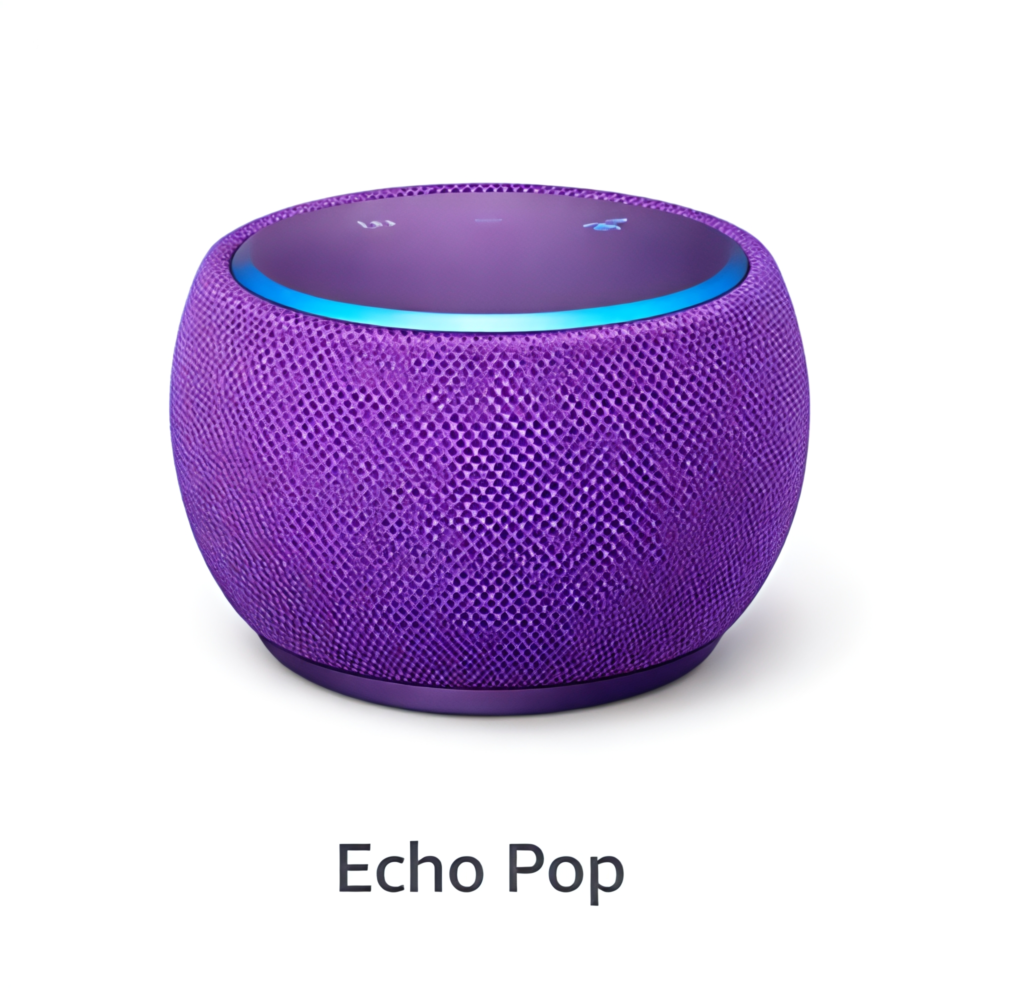
The Echo Pop is a good way to get into Amazons smart speaker system without spending a lot of money it costs just $40. The Echo Pop is great for rooms or as an extra speaker, for your bedroom and bathroom.
Cheapest option – At under $40, the Echo Pop delivers core smart speaker functionality without premium features. It’s perfect for users who want Alexa’s capabilities but don’t need powerful audio performance.
Good for small rooms – The compact, semi-circular design fits well on nightstands, kitchen counters, or small shelves. Sound quality is adequate for voice responses and background music, though it lacks the fuller sound of its more expensive siblings. I found it works particularly well in bathrooms where you mainly need voice control and don’t expect audiophile-quality music.
Key Features:
👉 Sound Performance:
- Basic audio quality
- Limited bass and volume
- This speaker is best for very small spaces
👉 Smart Features:
- It fully supports Alexa
- It handles basic commands well
👉 Real Experience:
This speaker works well in kitchens or small rooms where you need voice control more than sound quality,
✅ “Best entry-level Alexa speaker for those wanting smart home capabilities with voice assistants without having to spend much.”
4. Echo Show 5 (3rd Gen)
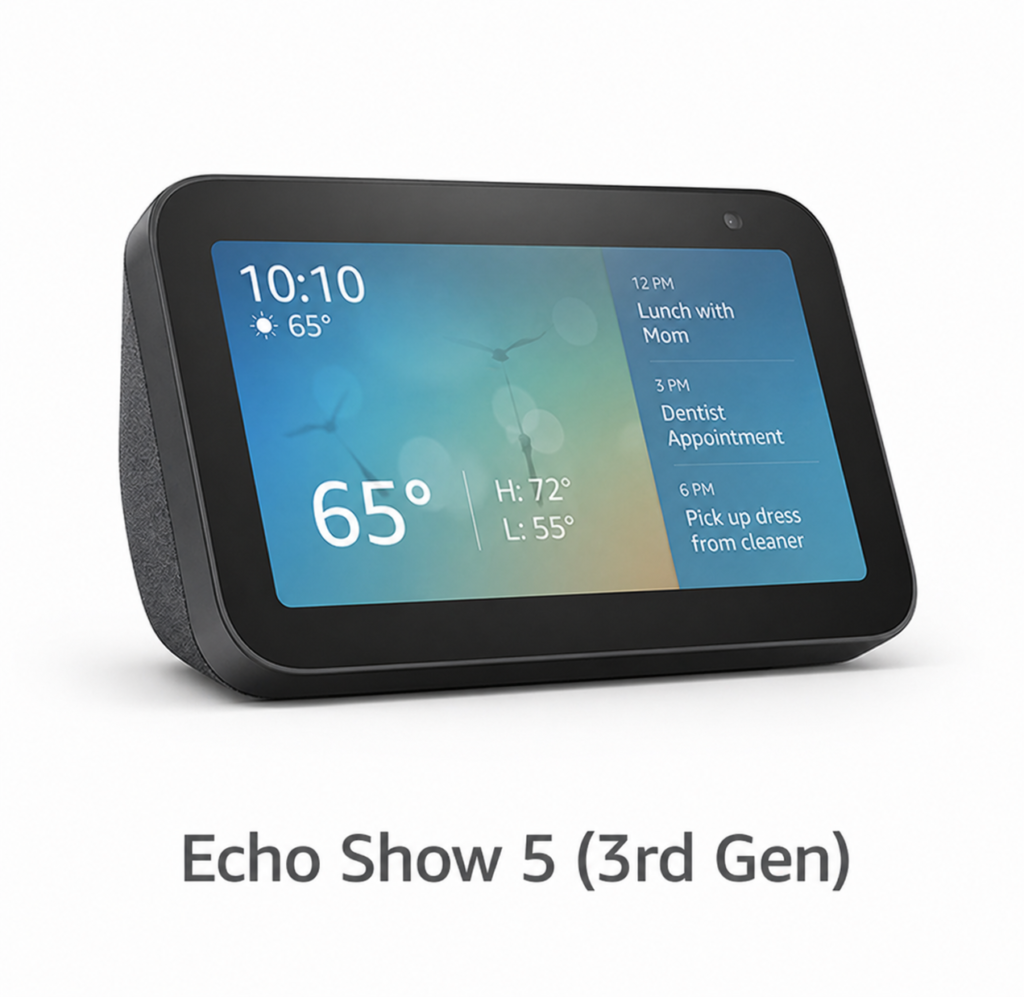
The Echo Show 5 brings something different to the smart speaker game – a screen that changes how you interact with your device. I’ve noticed that this really makes a difference in my daily life. It is super helpful when I need to get a look, at some information without having to take out my phone.
Best smart display – The Echo Show has Alexa and a 5.5-inch screen, this device brings Alexa’s voice features and a display together. You’re not just hearing responses anymore; you’re seeing them too.
Multi-purpose use – This is where the Echo Show 5 really shines. I can watch YouTube videos while cooking, check the weather with visual forecasts, make video calls to family, and control all my smart devices from one central hub. The visual element makes managing smart home devices much easier than voice commands alone.
Compact design – The thing is really small. It is over 6 inches wide. This compact design is great because it fits perfectly on a nightstand or a kitchen counter. It does not take up much space on a nightstand or a kitchen counter. I particularly like using it as a bedside alarm clock that shows the time, weather, and my daily schedule.
Key Features:
👉 Display Features:
- 5.5-inch screen
- Video, clock, weather updates
👉 Smart Features:
- Alexa voice control
- Smart home dashboard
👉 Real Experience:
This device is great for people who want more than audio from their device.
✅ Best smart speaker with a screen under $100
👉 Real Experience:
This device works best for people who want their smart speaker to do more than play music and answer questions. The screen makes simple tasks – checking your calendar becomes visual, weather forecasts, show maps and graphics, and controlling smart home devices.
The video calling feature has been surprisingly useful. Having a dedicated device for family video calls means you don’t need to hold your phone or prop it up somewhere.
5. Sonos Roam
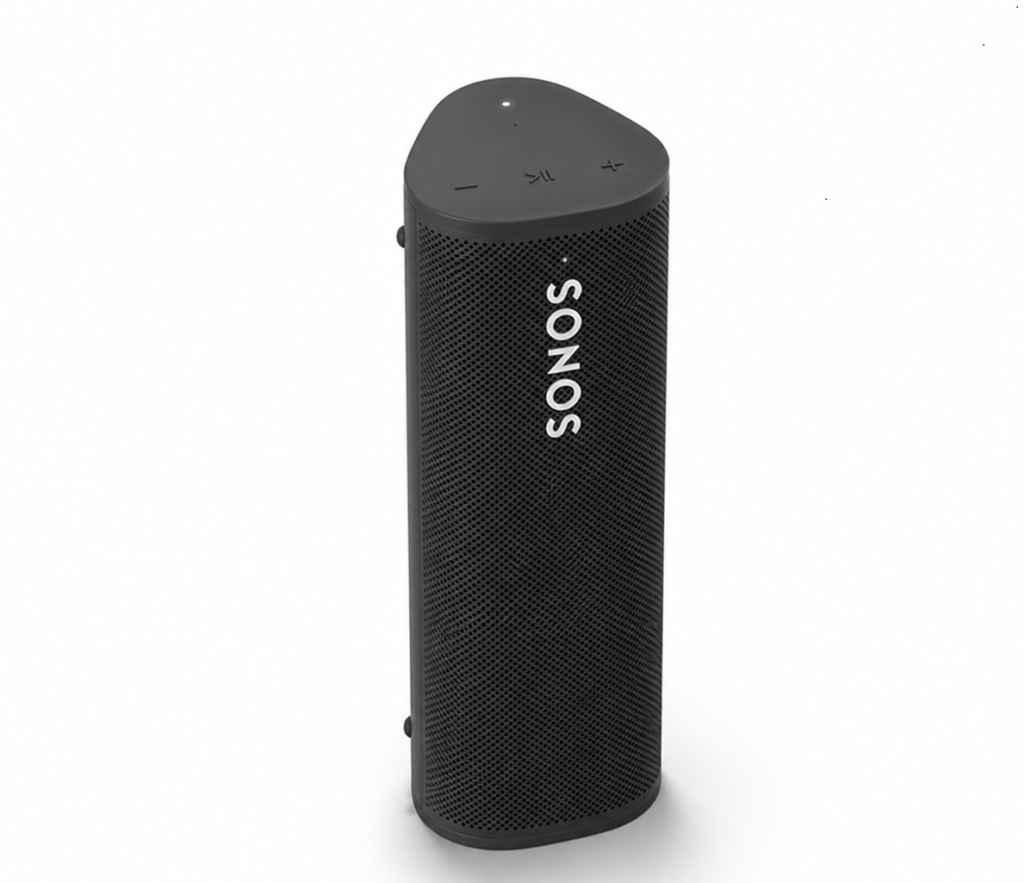
The Sonos Roam stands out as a premium option that sometimes dips under $100 during sales events. When it does, it becomes one of the best values in the smart speaker market.
Best portable smart speaker – Unlike most smart speakers that stay in one place, the Roam moves with you. It works seamlessly whether you’re using it in your living room or taking it to a park. The transition between indoor WiFi and outdoor Bluetooth happens automatically.
Premium sound quality – This is where Sonos really shows its expertise. The audio quality is noticeably better than most speakers in this price range. The sound stays clear at high volumes, and there’s actual depth to the bass without it overwhelming the mids and highs.
Dual assistant support – You can have two assistants to help you, which’s really cool. You get to pick between Alexa and Google Assistant. Sometimes you might want to use Alexa and sometimes Google Assistant so you can switch between them whenever you want to.
Key Features:
👉 Sound Performance:
- Clear and balanced sound
- Great for indoor + outdoor use
👉 Smart Features:
- Alexa + Google Assistant
- WiFi + Bluetooth
👉 Real Experience:
Perfect for travel, outdoor use, and premium audio lovers.
✅ Best portable smart speaker under $100 (on deals)
Note: Sonos Roam is occasionally available under $100 during sales.
Best Smart Speaker Under $150
If you can stretch your budget slightly above $100, you’ll find speakers with noticeably better sound quality that can fill bigger rooms with richer audio. These options usually have some great things like better microphones, stronger bass and sometimes they even have smart home hubs built right in. When you pay a more you can get a much better experience when you listen to music and the voice recognition works a lot better from all the way across the room.
6.Apple HomePod mini
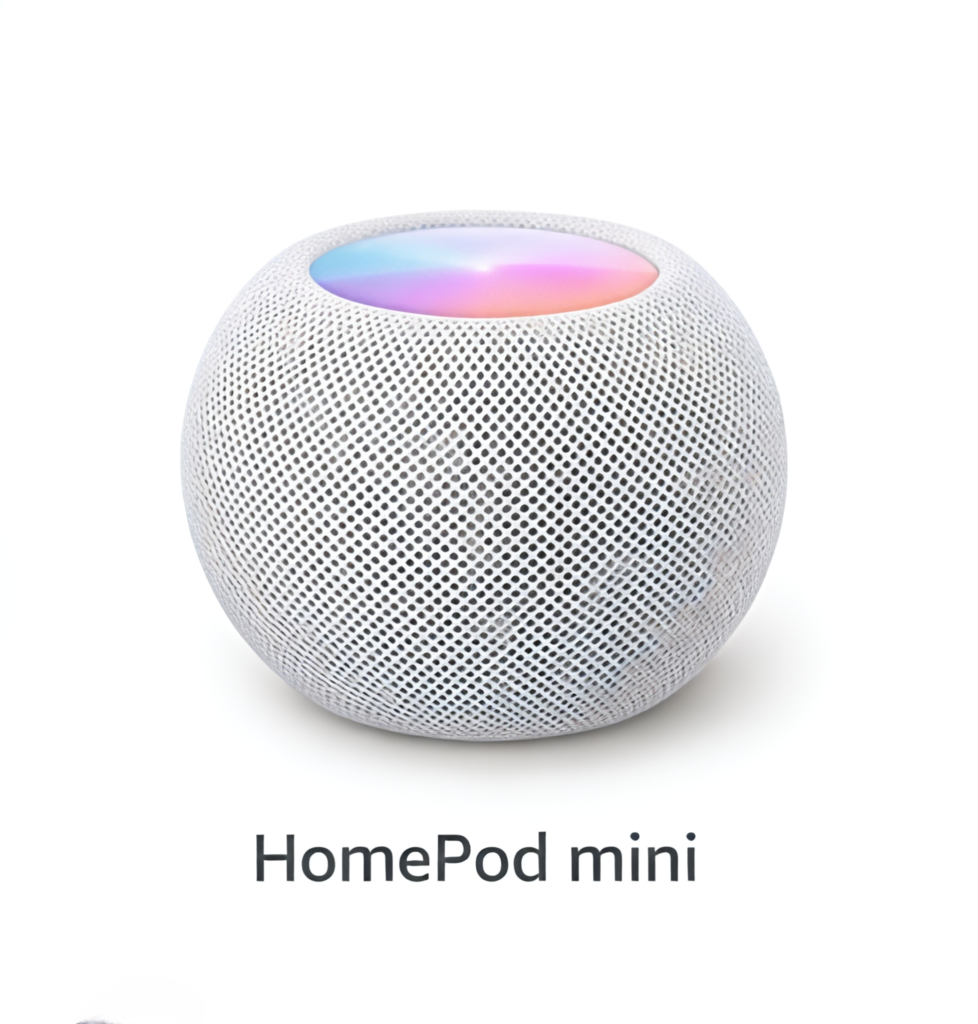
Best for Apple Ecosystem Users
Priced at $99, the HomePod mini offers exceptional sound quality in a compact package. The computational audio technology creates an impressive soundstage that rivals speakers twice its size. Siri integration works flawlessly with Apple devices, and the privacy-focused approach appeals to security-conscious users.
The speaker excels in homes already equipped with Apple products.I’ve found the Intercom feature very helpful, for talking between rooms. The handoff feature works well when I switch from my iPhone to the speaker. Intercom makes it easy to communicate.
- Voice Assistant: Siri
- Price: ~$99
- Best For: iPhone users & Apple HomeKit
The HomePod mini delivers impressive 360° sound in a compact design. It works seamlessly with Apple devices and is perfect for users already invested in the Apple ecosystem.
👉 Sound Performance:
- Balanced 360° sound
- Better clarity than most budget speakers
- Works best in small to medium rooms
👉 Smart Features:
- Seamless iPhone integration
- Works with Apple HomeKit
👉 Real Experience:
Feels premium and polished, but only worth it if you use Apple devices.
✅ Best For: Apple users, privacy-focused users
7. Amazon Echo (4th Gen)
Best Premium Alexa Speaker
At around $100, the full-sized Echo (4th Gen) delivers significantly better audio than the Echo Dot. The 3-inch woofer and dual-firing tweeters create room-filling sound that works well for both music and voice responses.
The Zigbee hub that comes with it means you do not need to get smart home bridges. This makes it a good choice, for people who want to add more things to their smart home setup
- Voice Assistant: Alexa
- Price: ~$99–$120
- Best For: Powerful sound + smart home hub
The Echo (4th Gen) offers a big upgrade over the Echo Dot with richer sound and a built-in smart home hub. It’s perfect for users who want better audio and stronger Alexa performance.
👉 Sound Performance:
- This speaker has bass and it fills the whole room with sound.
- The audio is much louder. It sounds really rich.
- It is perfect for a living room that’s medium to large in size.
👉 Smart Features:
- Built-in smart home hub
- It gets a response, from Alexa
👉 Real Experience:
If you really love music this speaker is the only one that feels truly powerful.
✅ Best For: Music lovers, larger rooms
| Feature | Echo Dot | Echo Pop | Echo (4th Gen) | HomePod mini | Nest Mini | Echo Show 5 | Sonos Roam |
|---|---|---|---|---|---|---|---|
| Sound Quality | Good | Basic | Excellent | Very Good | Balanced | Good | Excellent |
| Room Size | Small–Medium | Small | Medium–Large | Small–Medium | Small | Small–Medium | Small–Medium |
| Smart Home Hub | No | No | Yes | No | No | No | No |
| Display | No | No | No | No | No | Yes | No |
| Voice Assistant | Alexa | Alexa | Alexa | Siri | Google Assistant | Alexa | Alexa / Google |
| Best For | Overall | Budget | Music | Apple | Google Users | Smart Display | Portable |
Which Smart Speaker Should You Choose?
👉 “Quick Recommendation”
- Best overall → Echo Dot
- Best sound → Echo (4th Gen)
- Best for Apple → HomePod mini
- Best portable → Sonos Roam
“Echo Dot is perfect for bedroom use, while Echo (4th Gen) can easily fill a living room with sound.”
Pros and Cons of Budget Smart Speakers
✅ Pros
• Affordable pricing (under $100)
• Easy to use
• Smart home control
• Compact and space-saving
• Built-in voice assistants
❌ Cons
• Lower sound quality than high end models
• Basic features
• Requires Wi-Fi
• Privacy concerns for some users
Alexa vs Google Assistant vs Siri
Choosing the right voice assistant significantly impacts your daily experience with a smart speaker.
Alexa
Amazon’s assistant leads in smart home compatibility and automation capabilities. With support for over 100,000 smart home devices and robust routine creation, Alexa excels at complex home automation tasks.
- Compatible with the largest number of smart devices
- Best automation and routine capabilities
- Extensive third-party skill library
- Strong shopping integration with Amazon
👉 Ideal for: Smart home control and automation
Google Assistant
Google’s assistant provides superior search capabilities and natural language processing. The integration with Google services is really useful for people who use Gmail Google Calendar and Google Photos all the time.
- Better search results and general knowledge
- Superior natural language understanding
- Excellent integration with Google services
- Strong voice recognition accuracy
👉 Best for: Daily information tasks and Android users
Siri
Apple’s assistant prioritizes privacy and works exceptionally well within the Apple ecosystem. While it has fewer third-party integrations, it excels at controlling Apple devices and services.
- Strong privacy protection features
- Seamless Apple device integration
- Excellent audio quality processing
- Secure on-device processing for many requests
👉 Best for: Apple ecosystem users prioritizing privacy
Buying Guide: How to Choose a Budget Best Smart Speaker Under 100$
Before picking a smart speaker, think about:
Sound Quality
Sound quality varies dramatically among budget smart speakers. Consider what you’ll primarily use the speaker for – if it’s mainly voice commands and occasional background music, basic audio quality suffices. However, if you plan to actively listen to music, look for speakers with larger drivers and better frequency response.
When I was trying out these speakers I found that the ones with buttons to turn the volume up and down usually sound better than the ones that you can only control with your voice. You should also take a look at how the speakers handle the low sounds. A lot of the cheaper speakers have trouble, with this and it makes the music sound really weak.
Alexa vs Google Assistant
The choice between Alexa and Google Assistant often comes down to your existing ecosystem and personal preferences. Alexa excels in smart home control with broader device compatibility and more third-party skills. Amazon’s ecosystem also offers better integration if you’re a Prime member.
Google Assistant typically provides more accurate answers to general knowledge questions and better understands natural language. If you use Google services extensively or have an Android phone, Google Assistant creates a more integrated experience.
Smart Home Compatibility
Check which smart home devices you currently own or plan to purchase.So you have Alexa and Google Assistant. They both work with big brands like Philips Hue, Ring and Nest.. The thing is, some devices just work better with one platform or the other. Make a list of your smart home devices and verify compatibility before purchasing.
Consider future expansion too – if you plan to build a comprehensive smart home system, choose the platform with broader device support and better automation capabilities.
Room Size
Match your speaker choice to your room size for optimal performance. The Echo Pop works well in small rooms up to 150 square feet, while the Echo Dot (5th Gen) and Nest Mini handle medium rooms up to 300 square feet effectively.
For larger spaces, consider placing multiple budget speakers in different areas or investing in a slightly more expensive option with better sound projection.I’ve found that using two Echo Dots in a living room usually gives better sound, than one more costly speaker.
Best Use Cases
• Bedroom: alarms, music, lights
• Kitchen: timers, recipes
• Living Room: entertainment, automation
• Office: productivity
How to Set Up a Smart Speaker
- Plug in the device
- Get the app (Alexa / Google Home / Apple Home)
- Connect to Wi-Fi
- Sign in
- Follow setup instructions
❓ FAQs
Q1. Is a smart speaker under $100 worth it?
Absolutely. Today’s budget smart speakers offer excellent value, providing core smart features, decent sound quality, and reliable voice recognition. These devices may not have the sound or a lot of extra features.They do a good job with basic things like playing music controlling smart homes and answering questions. They handle music streaming and smart home control well. For most users, the functionality differences between a $50 and $150 smart speaker don’t justify the price difference.
Q2. Which is better: Alexa or Google Assistant?
Both have strengths depending on your needs. Alexa offers superior smart home compatibility, more third-party skills, and better integration with Amazon services. Google Assistant provides more accurate answers to general questions, better natural language processing, and seamless integration with Google services. Choose based on your existing ecosystem and primary use cases rather than trying to pick an overall “winner.”
Q3. What is the cheapest good smart speaker?
The Amazon Echo Pop at $39.99 represents the cheapest smart speaker that still delivers reliable performance. While sound quality is basic, it handles voice commands effectively and provides full access to Alexa’s features. For just $10 more, the Echo Dot (5th Gen) offers significantly better sound quality and is often worth the small price increase.
Q4. Can budget smart speakers control smart home devices?
Yes, budget smart speakers can control virtually all major smart home devices. Both Alexa and Google Assistant support popular brands like Philips Hue, Ring, Nest, TP-Link, and hundreds of others. The smart home control capabilities are identical between budget and premium speakers – you’re only compromising on audio quality and build materials, not functionality.
Q5. Do smart speakers need Wi-Fi to work?
A lot of smart speakers need to be connected to Wi-Fi in order to use their capabilities in sending voice commands, playing songs, and controlling smart home devices. Certain Bluetooth functions might still work without being connected to the internet.
Q6. Which smart speaker has the best sound under $100?
When purchased for less than $100, the Amazon Echo has the highest audio quality within this price range. Another excellent device to consider would be the Amazon Echo Dot (5th Gen).
🔗Related Articles
- Google Nest Mini (2nd Gen) Review – Best Budget Smart Speaker? (2026)
- Alexa vs Google Assistant: Smart Home Comparison
- Google Home Setup Step-by-Step (2026 Guide for Google Nest, Mini & Smart Home Devices)
- Alexa Keeps Disconnecting? 12 Powerful Fixes That Work Instantly (2026 Guide)
- Best Smart Speakers for Small Apartments (2026 USA Guide)
- Best Bluetooth Speakers 2026: Shocking Smart Home Picks Under Budget
- Marshall Speaker Review for Smart Home Setup (2026): Worth the Premium Price?
- Smart Home Setup Under 200$ (2026 Budget Guide): Build a Smarter Home for Less
- Best Smart Speakers Without Subscription (2026)
- What Is Matter in Smart Homes? Complete Beginner’s Guide (2026)
🏁 Final Verdict
You can find a speaker which is cheaper, below $100 in the year 2026. Smart speaker models that can be found currently are quite inexpensive. They can perform many functions which used to be expensive some years back.
Echo Dot (5th Gen) would be great for an all-round choice –for all-round choice. The model has a good blend of sound quality, functionality, and affordability. This combination is perfect for users and room size requirements.
Nest Mini would work well for those who prefer Google services –for Google enthusiasts. Individuals who use devices that have Google services will love this product because of its compatibility and good answering capabilities.
Echo Pop is ideal for the most basic user on a budget -Below $40, this is one good introduction into smart speakers. They are perfect for any space or area where you need a speaker.
👉 It does not matter which type of speaker you decide to pick out because either one will make your house into a smart home. You do not have to spend a lot of money when purchasing these speakers. You can start off by buying one speaker at first to see how it works. Later on, you can purchase more as you figure out other uses for them.
Pingback: Smart Lighting System USA: Complete 2026 Buyer’s Guide
Pingback: Best Kitchen Appliances in USA (2026): Top Picks for Every Home
Pingback: Smart Hub Is Being Updated? 6 Proven Fixes That Work Fast (Samsung TV)
Pingback: Best Smart Plugs of 2026 (Alexa, Google Home & Budget Picks)
Pingback: Amazon Alexa Not Responding? 12 Proven Fixes That Work Instantly (2026 Guide for Echo Dot & Echo Show)