
Introduction
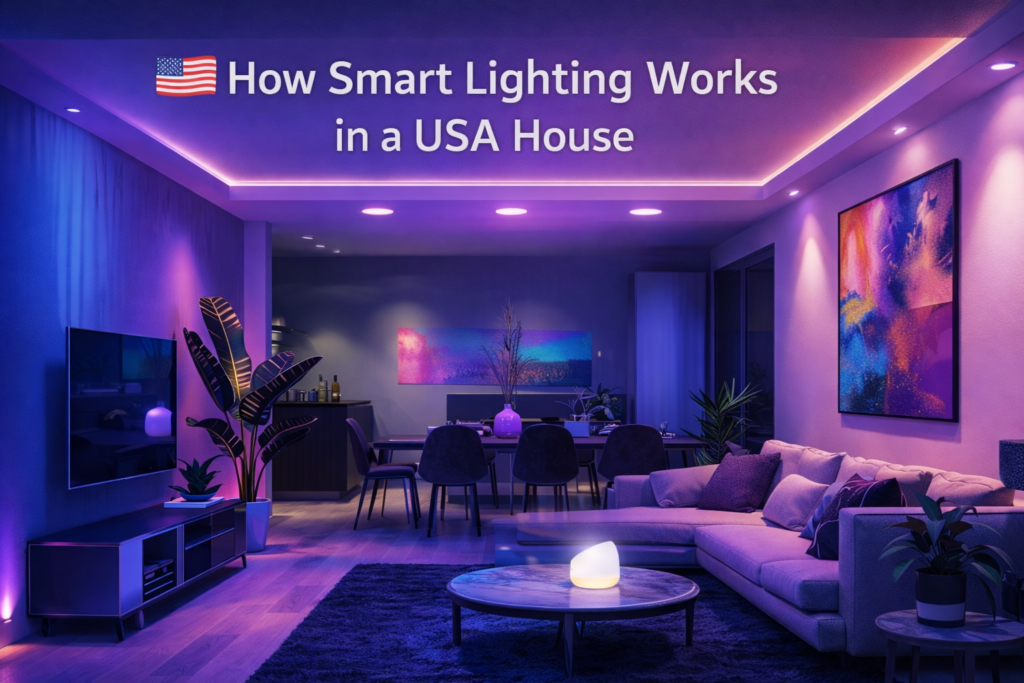
Control your home lighting from anywhere in the U.S. – whether you’re stuck in traffic in downtown Chicago or relaxing on a beach in Florida. With just a tap on your phone or a simple voice command, you can turn lights on, dim them, or even change their colors completely.
Smart homes are becoming the new normal across America. From Silicon Valley tech workers to retirees in Florida, millions of Americans are upgrading their homes with smart technology. In fact, over 40% of U.S. households now have at least one smart home device, and that number keeps growing every year.
Smart lighting systems offer three major benefits that American homeowners love: convenience, security, and real energy savings. You can create the perfect lighting mood for movie night, make it look like you’re home while on vacation, and actually save money on your electric bill each month.
The best part? These systems work seamlessly with the voice assistants you already know – Alexa, Google Home, and Apple HomeKit. You can simply say “Alexa, turn off all lights” when heading to bed, or “Hey Google, dim the living room lights to 30%” for a cozy evening.
What is a Smart Lighting System?
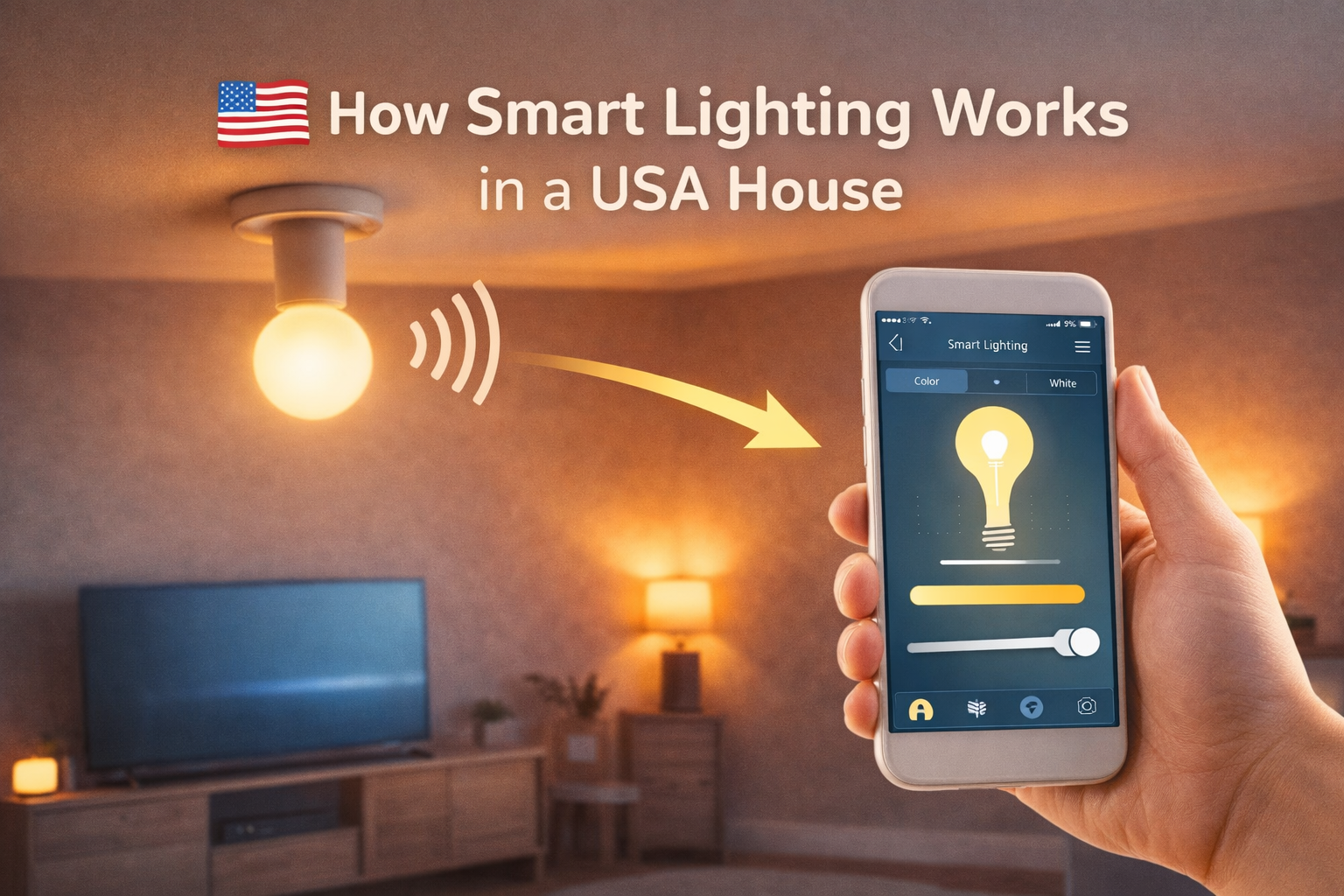
A smart lighting system is basically regular lighting that you can control with your smartphone, voice commands, or automated schedules. Instead of walking to a wall switch, you can manage all your lights from anywhere.
In U.S. smart homes, lighting systems serve as the foundation for home automation. They connect to your home’s Wi-Fi network and integrate with other smart devices like thermostats, security cameras, and door locks. Many Americans start their smart home journey with lighting because it’s easy to install and provides immediate benefits.
The main difference from traditional lighting is simple: regular lights have two states – on or off. Smart lights can be dimmed, scheduled, changed to different colors, and controlled remotely. You can set them to gradually brighten in the morning like a sunrise or automatically turn on when you arrive home.
These systems are part of the Internet of Things (IoT), meaning your lights become connected devices that can communicate with other smart devices in your home. This creates opportunities for home automation that makes daily life more comfortable and efficient.
How Smart Lighting Systems Works
Components
Smart lighting systems have three main components that work together in U.S. homes:
Smart Bulbs use the standard E26/E27 screw-in base that fits most American light fixtures. These bulbs contain tiny computers that connect to your Wi-Fi network or a smart hub. You can screw them into existing fixtures without any wiring changes.
Smart Switches replace your traditional wall switches and control regular bulbs. Here’s something important for U.S. homes: most smart switches need a neutral wire, which older homes (built before the 1980s) might not have. If you’re planning to install smart switches, you might need an electrician to check your wiring first.
Hubs like the Philips Hue Bridge act as translators between your smart lights and your home network. Not all systems need hubs, but they often provide more reliable connections and advanced features.
Technologies
Your smart lights can connect using different technologies:
Wi-Fi connects lights directly to your home network. It’s simple to set up, but too many Wi-Fi devices can slow down your internet.
Zigbee is a mesh network that doesn’t use your Wi-Fi bandwidth. Each device helps extend the network range, making it great for larger homes.
Z-Wave works similarly to Zigbee but uses a different frequency. It’s less common in lighting but very reliable.
Voice Control Ecosystems
Alexa dominates smart home voice control in the U.S., found in over 60% of American homes with voice assistants. You can control lights, create lighting scenes, and set schedules using natural voice commands.
Google Assistant offers excellent integration with Android phones and Google services. It’s particularly good at understanding complex commands like “turn on the kitchen lights but keep them dim.”
Apple HomeKit provides strong privacy features and works great with iPhones and iPads. The setup process is usually more secure but sometimes more complicated.
Types of Smart Lighting Systems (Best for U.S. Homes)
🔹 Smart Bulbs (Best for renters)
Smart bulbs are perfect if you’re renting because you can take them with you when you move. They screw into existing fixtures, so there’s no permanent installation required. I personally started with smart bulbs in my apartment, and they worked great for testing out smart lighting before committing to a whole system.
🔹 Smart Switches (Best for homeowners)
If you own your home, smart switches often make more sense financially. You can control multiple bulbs with one switch, and you don’t need to replace expensive specialty bulbs. However, installation can be tricky if your home doesn’t have neutral wires.
🔹 Smart LED Strips (Entertainment setups)
LED strips create amazing ambient lighting behind TVs, under kitchen cabinets, or along staircases. They’re popular for gaming setups and home theaters. The color-changing options can sync with music or movies for a really immersive experience.
🔹 Outdoor Smart Lighting (Security-focused)
Outdoor smart lights with motion sensors are excellent for home security. They can automatically turn on when someone approaches, send alerts to your phone, and even integrate with security cameras to record when motion is detected.
Key Features Americans Look For
App + Remote Control is the foundation of smart lighting. Americans want simple apps that work reliably, whether they’re at home or traveling across the country for business.
Voice Assistants are huge in the U.S., with Alexa leading the market. The ability to control lights without fumbling for a phone or switch feels almost magical, especially when your hands are full of groceries or you’re tucked into bed.
Scheduling includes vacation mode, which is particularly important for American homeowners who travel frequently. You can make it look like someone’s home by randomly turning lights on and off, which helps deter break-ins.
Energy Monitoring matters more than ever as electricity costs rise across the U.S. Smart lights can show exactly how much energy each room uses, helping you identify ways to save money on utility bills.
Geofencing automatically turns lights on when you arrive home and off when you leave. This feature works great for busy American families who often forget to turn off lights when rushing out the door.
Benefits of Smart Lighting in the USA
✅ Lower Energy Bills
Rising electricity costs across the U.S. make energy efficiency crucial for homeowners. Smart LED bulbs use up to 80% less energy than traditional incandescent bulbs. When you can easily dim lights, set schedules, and monitor usage, most families see noticeable reductions in their monthly electric bills. Some users report saving $100-200 per year just from smart lighting.
✅ Home Security
Outdoor motion lighting provides an excellent security layer for American homes. Smart lights can instantly illuminate when motion is detected, potentially scaring off intruders. The ability to control lights remotely means you can make it look like someone’s home even when you’re away, which is valuable given that residential burglaries often target empty homes.
✅ Convenience
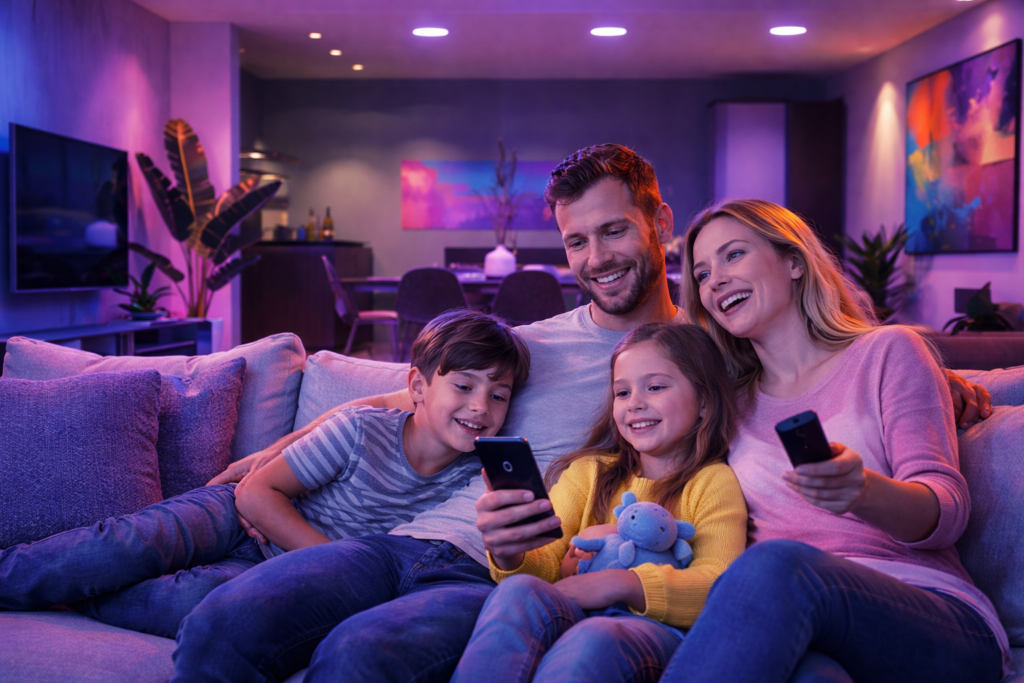
Hands-free control transforms daily routines. You can turn off all lights from bed, gradually brighten lights in the morning, or adjust lighting while cooking dinner with your hands full. Parents especially love being able to control kids’ room lights remotely for bedtime routines.
✅ Smart Home Integration
Smart lights work beautifully with other devices. They can automatically turn on when your security system is disarmed, dim when your smart thermostat switches to “sleep” mode, or flash when your doorbell camera detects motion. This integration creates a truly connected home experience.
✅ Lifestyle Upgrade
Mood lighting and automation enhance daily life in ways you don’t expect until you experience it. Automatically dimming lights for movie night, gentle wake-up lighting that mimics sunrise, or colorful party lighting all become effortless parts of your routine.
Smart Lighting Use Cases in U.S. Homes
Living Room movie lighting scenes automatically dim lights and change colors when you start watching Netflix or fire up the gaming console. You can create different moods for family time, entertaining guests, or relaxing after work.
Bedroom circadian lighting gradually changes color temperature throughout the day, supporting better sleep patterns. Warm, dim lighting in the evening helps your body prepare for sleep, while cooler, brighter light in the morning helps you wake up naturally.
Kitchen bright task lighting makes food prep safer and easier. Smart lights can automatically turn on when you enter the kitchen in the morning or brighten to full intensity when you’re cooking dinner.
Garage & Outdoor Security motion-activated lighting enhances safety when arriving home after dark. Lights can automatically illuminate pathways and driveways, and integrate with security cameras to record any activity.
Home Office lighting affects productivity more than most people realize. Smart lights can provide bright, focused lighting during work hours and automatically adjust throughout the day to reduce eye strain during long computer sessions.
Step-by-Step Setup Guide (U.S. Standard Homes)
Step 1: Choose Your System – Decide between smart bulbs (easier for renters) or smart switches (better for homeowners). Consider your budget, living situation, and long-term plans.
Step 2: Install Hardware – Smart bulbs simply screw into standard E26 sockets found in most U.S. homes. Smart switches require basic electrical knowledge; if you’re not comfortable working with electrical wires, hire a professional electrician.
Step 3: Connect the App – Download the manufacturer’s app on your iPhone or Android device. Most apps guide you through connecting lights to your Wi-Fi network step by step.
Step 4: Pair with Voice Assistant – Link your smart lights with Alexa, Google Home, or Apple HomeKit through their respective apps. This usually involves enabling a skill or adding the device to your smart home ecosystem.
Step 5: Create Routines – Set up schedules, scenes, and automation rules. Start simple with basic on/off schedules, then add more complex routines as you get comfortable with the system.
Best Smart Lighting Brands in the USA
Philips Hue remains the premium choice with excellent build quality, wide color selection, and reliable performance. The ecosystem is mature with lots of accessories, but it’s definitely the most expensive option.
TP-Link Kasa offers great value for budget-conscious buyers. The lights work well, the app is reliable, and you don’t need a separate hub. They’re perfect for testing smart lighting without a big investment.
GE Cync (formerly GE C by GE) is popular in the U.S. because it’s widely available at major retailers like Home Depot and Walmart. The pricing is reasonable, and setup is straightforward.
LIFX lights don’t require a hub and offer excellent color accuracy. They’re a bit more expensive than budget options but less than Philips Hue, making them a solid middle-ground choice.
Sengled provides reliable basic smart lighting at very affordable prices. They don’t have all the advanced features of premium brands, but they’re perfect for simple automation needs.
You can explore more smart lighting system on the official Amazon page.
Smart Lighting System Cost in the USA
💲 Budget: $10–$50
Single smart bulbs or basic starter kits let you test smart lighting in one room. This price range works well for apartments or trying out the technology before expanding.
💲 Mid-Range: $50–$200
Multi-room setups with 4-8 smart bulbs or switches can cover main living areas. This investment provides enough lights to experience real benefits like whole-home automation routines.
💲 Premium: $200+
Full smart home lighting systems cover every room with advanced features like color changing, outdoor lighting, and premium brand ecosystems. This level provides the complete smart lighting experience.
Smart Lighting vs Traditional Lighting
Traditional lighting costs less upfront but offers no flexibility or energy monitoring. You’re limited to basic on/off functionality and manual control only.
Smart lighting system requires higher initial investment but provides energy savings over time, enhanced security features, and lifestyle benefits that many Americans find worth the cost. The convenience factor alone – especially for families with children or elderly household members – often justifies the upgrade.
From a U.S. real estate perspective, smart home features including lighting can increase home value and appeal to tech-savvy buyers in competitive markets.
Smart Lighting Systems work even better when combined with smart plugs for automation and remote control. Check out our complete guide on the best smart plugs of 2026 to enhance your setup.
Common Problems & Fixes
Wi-Fi Drops happen when lights lose connection to your home network. Try moving your router closer to problem areas or adding a Wi-Fi extender. Sometimes simply unplugging and reconnecting the lights fixes temporary connectivity issues.
Alexa Not Responding usually means the voice assistant lost connection to your lights. Try saying “Alexa, discover devices” to refresh the connection, or check if the smart lighting skill needs to be re-enabled in the Alexa app.
Hub Connectivity Issues can often be resolved by unplugging the hub for 30 seconds, then plugging it back in. Make sure the hub is connected to your router with an Ethernet cable, not Wi-Fi.
Smart Switch Wiring Problems typically involve missing neutral wires in older U.S. homes. Some switches work without neutral wires, but for safety and reliability, consider having an electrician install proper wiring.
Future of Smart Lighting in the U.S.
AI-Powered Lighting will learn your routines and preferences automatically. Instead of programming schedules, lights will adapt to your lifestyle patterns and adjust themselves accordingly.
Smart City Integration may connect home lighting systems with municipal infrastructure, allowing streetlights and home lights to coordinate for energy efficiency and emergency responses.
Matter Protocol Adoption promises to solve compatibility issues between different smart home brands. This new standard will let devices from different manufacturers work together seamlessly.
Energy-Efficient Smart Grids will enable utility companies to communicate with home lighting systems, potentially offering lower rates for using electricity during off-peak hours.
FAQs
Do smart lights work without Wi-Fi?
Most smart lights need Wi-Fi for remote control and voice commands, but many will still function as regular lights when the internet is down. Hub-based systems like Philips Hue can often maintain local control even without internet access.
Are smart lights worth it in the U.S.?
For most American households, yes. The combination of energy savings, security benefits, and convenience typically justifies the cost within 1-2 years. Families with children or elderly members find the safety and accessibility features especially valuable.
Do I need a hub?
Not always. Many newer smart lights connect directly to Wi-Fi. However, hubs often provide more reliable connections, better range, and advanced features. They’re usually worth it if you plan to have more than 4-5 smart lights.
Are smart lights compatible with Alexa?
Most major smart lighting brands work with Alexa, which is important since Alexa dominates the U.S. smart home market. Always check compatibility before purchasing, but you’ll find most lights support Alexa voice control.
How much can I save on electricity?
Smart LED bulbs use 80% less energy than incandescent bulbs. Combined with automated scheduling and dimming, most families save $8-15 per month on electricity bills. Homes with many lights or high electricity rates can save significantly more.
Conclusion
Smart lighting systems offer American homeowners an excellent combination of convenience, security, and energy savings. Whether you start with a few smart bulbs in key rooms or invest in a complete home lighting system, the benefits become apparent immediately.
The technology has matured to the point where setup is straightforward, reliability is excellent, and costs have become reasonable for most budgets. With major voice assistants like Alexa and Google Home providing seamless integration, smart lighting fits naturally into modern American lifestyles.
As energy costs continue rising and smart home adoption accelerates, now is an excellent time to upgrade your home’s lighting system. Start small with a few bulbs to experience the benefits, then expand room by room as your budget allows.
Ready to transform your home lighting experience? Check best smart lighting deals on Amazon USA and take the first step toward a smarter, more efficient home.
Pingback: How to Set Up Smart Lighting at Home (Step-by-Step Guide 2026)